Showing posts with label Heritage. Show all posts

Tuesday, March 26, 2013

Several Pictures from Paddy

In the past couple of months I took various pictures with my Canon DSLR and my Lumix compact camera.


House on Great Blasket


Fishing pod on Great Blasket


My dog relaxing after a shower


House on Great Blaskets


Port Magee on a rainy night


Thatched House in County Donegal

Saturday, October 20, 2012

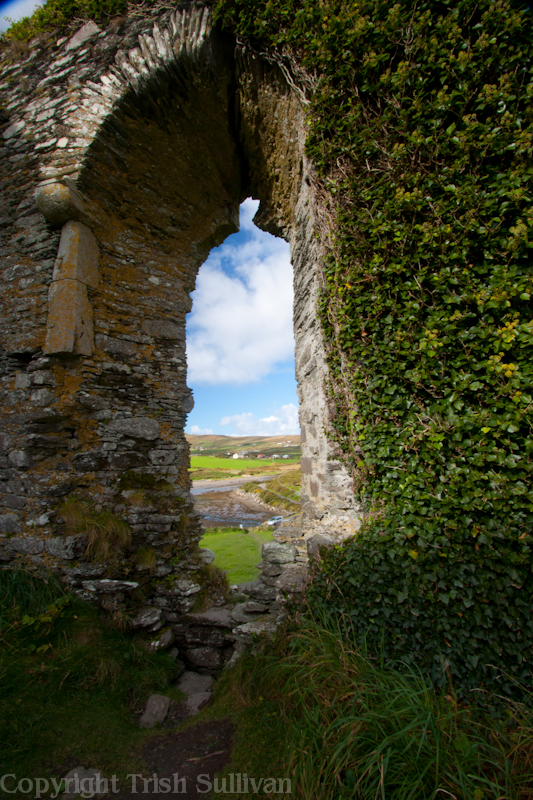
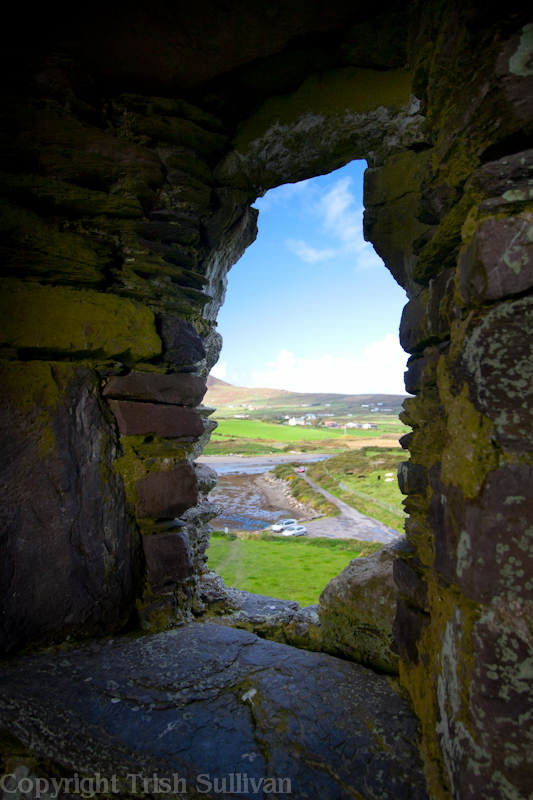
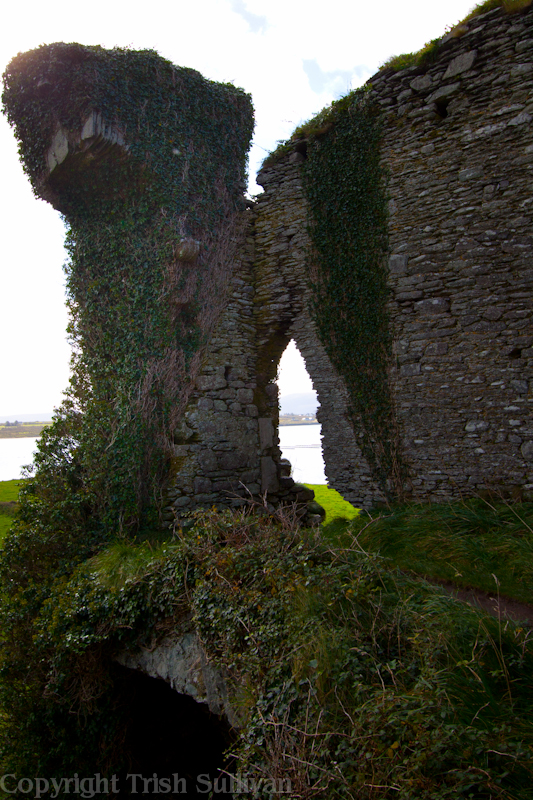
Ballycarbery Castle, Caherciveen, Co.Kerry


Ballycarbery Castle is a castle3km from Cahersiveen, County Kerry, Ireland . The castle is situated high on a grass hill facing the sea and is a short distance from Cahergall Fort and Leacanabuile Fort. The present ruins were constructed in the 16th century.
All shot with cannon 450D.

Sunday, July 22, 2012

Rock Art in Southkerry


The greatest concentration of rock art in the country is located in the townlands of Letter West, Kealduff Upper, and Coomasaharn. This extensive Late Neolithic /Early Bronze Age landscape is worthy of special protection.
Thanks to Denis Kavanagh for giving us the guided tour, it was an enjoyable night.


After photographing the rock art, We then went on to visit Coomasaharn lake. It was a beautiful fine evening rain free clouds and couldn't have been in a nicer spot. So picturesque and well worth visiting if near Glenbeigh, Co.Kerry.


Michael Herrmann - Since I joined The South Kerry Camera club, I have seen and learned so much about parts of South Kerry, that I didn't know even existed. All this is thanks to Michael- A great Photographer with such passion for Kerry. Thank you Michael..


Friday, September 2, 2011

We are now on flickr.com and Illaunlaughan, Portmagee

Just click on this link here: skelligclub


Illaunlaughan is a very small island in the Channel between Portmagee and Valentia Island.
The name could have two meanings, Oileán an Lóchán, the Island of dry grass or broken seaweed, or Island of Lochán, a saint that could be associated with the island.
Archeological excavations between 1992 and 1995 revealed well- dated material which proved the existence of a small monastery between the 7th and 9th century and subsequent use of the island as a graveyard for the communities of Portmagee and Valentia Island..
During the mid 7th to mid 8th century period three domestic huts and a small oratory were built with posts and sod , cut blocks of grassy turf, for the walls; the roofs being thatch with local material. Possibly two shrines for relics were erected at that time.
Later the existing sod oratory was replaced by a small drystone structure, no more than 1.2mx 0.8m and in the 8th to 9th century again by a drystone oratory. Also a new gable shrine was erected to house the relics from earlier graves.

all photos Canon 5d, 17-40 and 50mm macro,
©Michael Herrmann 2011

Sunday, July 17, 2011

Skellig Michael


.
Also known as the Great Skellig, this is not so much an Island as an outcrop of rock, rising over 700ft above sea level, about 9 miles14.4km from the coast of Co. kerry, and with an early Christian Monastery perched on a ledge close to the top.
Its international importance is recognised and it is a designated UNESCO World Heritage Site.
For over 600 years this remote and unlikely spot was an important centre of monastic life. A small cluster of six beehive huts and two boat shaped oratories remain, stark and silent now but an eloquent testimony to the austere life led by the monks whose home Skellig Michael once was.


The Puffins are one of the most numerous breeding sea birds and most popular with many visitors on Skellig Michael. In the early part of the Summer Months, Puffins can be seen in Large numbers all around the Islands. Many people come to Skelligs specially to See these little birds as they go about their annual breeding cycle. And believe me it is well worth the visit to see these birds in the flesh.


The distinctive beehive huts in which the monks lived are remarkable, not just because they are still standing and intact centuries later, but because of how they were constructed.
There is no mortar, they are entirely made of dry stones. While circular outside, the inside is rectangular, with a corbeled roof and shelves for storage built into the structure as well as larger platforms for sleeping on.


A wonderful day was spent on Skellig with some great company. Thanks to Michael Herrmann for organising this trip and to our dear Richard for the history of the Island. An experience never to be forgotten.

… the most fantastic and impossible rock in the world … the thing does not belong to any world that you and I have lived and worked in; it is part of our dream world.
These are the words of George Bernard Shaw on Skellig Michael and it is difficult to disagree